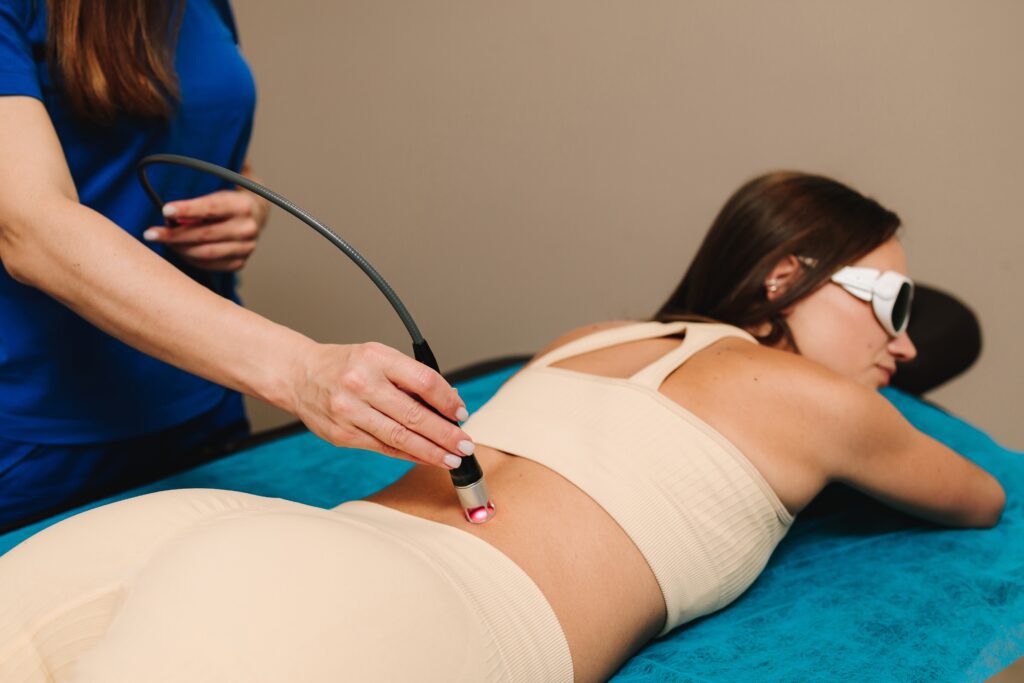

As people age, chiropractors play an increasingly important role in helping older adults stay active, independent, and pain-free. Many patients seek conservative treatments that minimize reliance on medication or invasive procedures. By combining chiropractic care with low-level laser therapy (LLLT), practitioners can offer a powerful, evidence-based approach that enhances mobility, supports healing, and promotes overall quality of life.
This integrated model of care helps address the unique physiological challenges that come with aging, from joint degeneration to slower tissue recovery, while aligning with the profession’s commitment to non-pharmacologic, patient-centered care.
Why Older Adults Seek Chiropractic Support
Aging naturally brings a range of biomechanical and degenerative changes that can impact daily comfort and mobility. Many older patients seek chiropractic care to address pain, stiffness, and limited range of motion that interfere with their ability to live independently.
Common reasons older patients visit chiropractors:
- Chronic back and neck pain
- Joint stiffness and reduced flexibility
- Spinal stenosis
- Balance and coordination issues
- Soft-tissue injuries
Musculoskeletal Conditions
Chronic musculoskeletal conditions, such as low back pain, neck pain, and osteoarthritis, are among the most common reasons older adults visit chiropractors. These conditions often arise from age-related degeneration of discs, cartilage, and ligaments, which can place extra stress on the spine and peripheral joints. Spinal stenosis, another frequent issue, can cause nerve compression leading to radiating pain or numbness in the limbs.
Balance and Coordination
Balance and proprioception also decline with age, increasing the risk of falls. Chiropractic interventions that focus on spinal alignment, joint mobility, and neuromuscular control have been shown to improve balance and coordination – two critical components of fall prevention.
Soft-Tissue Injuries
Soft tissue problems, such as tendinopathies and chronic muscle tension, further contribute to pain and restricted movement. These issues are often linked to years of repetitive motion, postural adaptations, or compensatory gait changes. Through gentle manipulations and adjunctive therapies, chiropractors can help restore alignment and mobility while reducing the strain that perpetuates soft tissue irritation.
These conditions can have ripple effects throughout an older patient’s life. Chronic pain and stiffness often lead to decreased activity levels, isolation, and increased use of medications. According to the National Center for Complementary and Integrative Health, access to chiropractic care may even reduce healthcare spending related to spine care in older adults.
The Benefits of Chiropractic Care for Older People
Chiropractic care can significantly improve quality of life by targeting the musculoskeletal dysfunctions that limit mobility and cause pain. When treatment plans are adapted to the needs of aging physiology, outcomes can be both safe and effective.
Improved Mobility and Function
Regular chiropractic adjustments and mobilizations restore joint motion and flexibility, allowing seniors to move more freely and comfortably.
- Increased range of motion supports independence in daily activities.
- Improved spinal alignment enhances posture and stability.
- Patients report feeling “looser” and more agile after a course of care.
A study from Palmer College of Chiropractic found that older adults under chiropractic care experienced greater improvements in self-rated health and physical function than those receiving standard medical care alone (Palmer.edu).
Reduced Pain and Medication Dependence
Chiropractic care aims to reduce pain through spinal manipulation, muscle therapy, and rehabilitative exercise.
- Non-pharmacologic pain relief minimizes the risks associated with long-term NSAID or opioid use.
- Restoring joint motion helps decrease inflammation and nerve irritation.
- Patients often experience better sleep, mood, and energy when pain is under control.
Balance, Coordination, and Fall Prevention
Falls are one of the leading causes of injury among seniors. Chiropractic adjustments can help:
- Improve proprioception and spinal-nerve communication.
- Enhance postural stability and confidence in movement.
- Reduce fear of falling, which often limits activity and independence.
Research supports that chiropractic interventions may help address multiple factors associated with fall risk (Chiro.org).
How Does LLLT Enhance Chiropractic Care?
When paired with chiropractic treatment, LLLT can amplify the therapeutic effects of manual care and help older patients recover more efficiently. This synergy stems from the way the two modalities target different, but complementary, mechanisms in the healing process.
Enhanced Pain Relief
LLLT helps reduce inflammation and edema in joints and soft tissues, providing an analgesic effect that can make adjustments more comfortable and effective. Patients who experience pain relief before or after a chiropractic session may tolerate adjustments better and demonstrate greater improvements in range of motion.
For conditions like osteoarthritis, tendinopathy, or chronic back pain, LLLT offers an added layer of relief without pharmacologic side effects. Low-level laser therapy can lead to reductions in pain intensity and improvements in functional outcomes across a range of musculoskeletal disorders.
Supporting Tissue Healing
As patients age, cellular repair mechanisms slow down. LLLT helps counteract this by stimulating mitochondrial activity and collagen synthesis, promoting faster recovery of ligaments, tendons, and joint capsules following chiropractic adjustments or soft tissue mobilization.
Integrating LLLT into post-adjustment care can reduce residual soreness, improve muscle relaxation, and accelerate overall healing. For older patients who heal more slowly, this can significantly shorten recovery time between visits and improve adherence to care plans.
Improving Function and Quality of Life
The combined effects of improved alignment and enhanced tissue repair often translate to better movement efficiency and reduced fatigue. Patients report greater comfort during activities like walking, exercising, and household chores – key outcomes that contribute to higher satisfaction and perceived quality of life.
By improving comfort and mobility, chiropractors who integrate LLLT may also notice improved patient retention, as seniors experience tangible benefits that encourage ongoing preventive care.
Best Practices for Integrating LLLT Into Chiropractic Care
Chiropractors considering LLLT should begin with a thorough patient assessment that accounts for health history, medications, and contraindications. Older adults often have complex medical backgrounds, so clear documentation and communication are essential.
Educating patients about the goals of laser therapy, such as pain reduction, healing support, and inflammation control, helps set realistic expectations. LLLT should always be positioned as a complementary therapy, not a cure, within a multimodal treatment plan.
Treatment protocols can vary by condition but often involve applying laser therapy to target tissues before or after adjustments. Combining LLLT with mobilization, stretching, or rehabilitative exercise can yield greater improvements in both acute and chronic musculoskeletal conditions.
A Modern, Multimodal Path to Healthy Aging
By pairing chiropractic care with Low-Level Laser Therapy, practitioners can deliver a comprehensive approach that addresses both the structural and cellular aspects of musculoskeletal health. Older adults stand to benefit from enhanced pain relief, improved mobility, and faster recovery – all without reliance on medications or invasive interventions.
For chiropractors, integrating LLLT offers an opportunity to elevate care quality, improve patient outcomes, and reinforce their role as leaders in conservative healthcare. Through this synergy of structure and light, practitioners can help patients age actively, confidently, and independently.