
Dentists who are planning a new practice can find it beneficial to pause and consider how the right tools and technologies can create a foundation for clinical excellence, patient satisfaction, and sustainable growth. In a competitive environment, investing smartly in dental equipment, streamlined workflows, and advanced modalities can help your practice thrive and remain future-ready.
The Core Dental Equipment
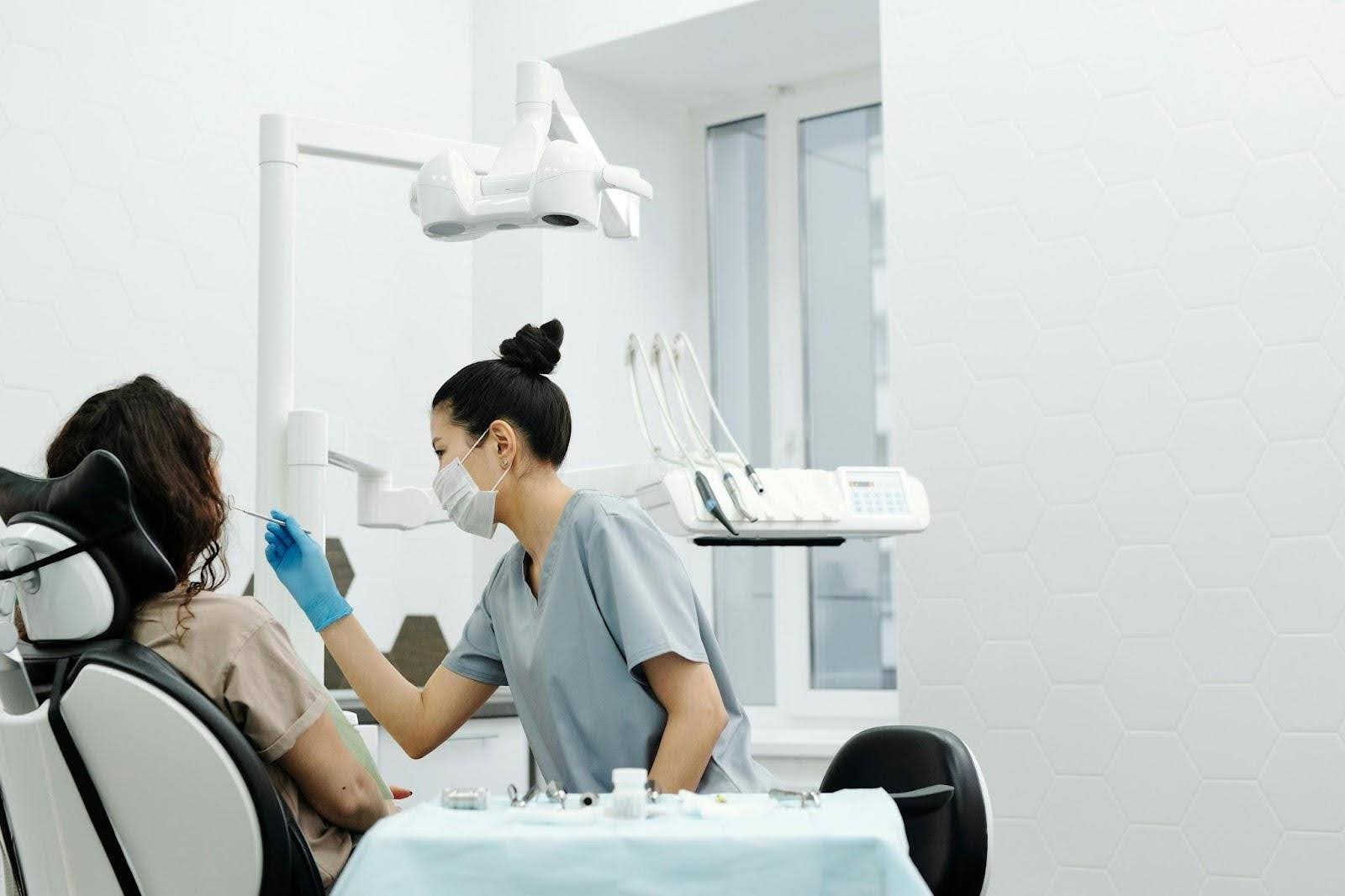
When you’re launching a new dental practice, reliable, high-quality basic equipment is non-negotiable. These tools enable safe, efficient care and create the platform upon which advanced technologies will build.
Must-Have Dental Equipment
- High-speed and low-speed handpieces: These are the core cutting and polishing tools in restorative and hygiene workflows. When well maintained, they reduce procedure time and operator fatigue.
- Dental chairs with ergonomic design and integrated delivery systems: Ensures patient comfort and allows the clinician to maintain an efficient workflow (less reaching, optimal positioning).
- Digital X-ray sensors and panoramic/CBCT units: Switching from film or older digital technology to the latest sensors improves image clarity, reduces radiation dose, speeds up workflow, and enhances patient communication.
- Ultrasonic scalers and Prophy jets: For hygiene visits and periodontal care, modern scalers with feedback systems improve cleaning efficiency and patient comfort.
- Autoclaves and instrument sterilization units: Infection control remains foundational. Automated sterilizers, chemical indicators and efficient instrument processing contribute to safety and compliance.
- Intraoral cameras and comfortable lighting: These may be considered “support” tools, but they play a big role in patient education and forming buy-in for treatment plans.
Benefits for Your Dental Practice
Investing in high-quality foundational equipment ensures that your clinic can deliver care consistently, with fewer breakdowns, less downtime, and a better patient experience. That helps with retention and referrals – two critical metrics for early-stage practices. Moreover, when you plan ahead for upgrades, you avoid the “legacy equipment” trap that can hinder adoption of new technologies down the line.
Digital Imaging & Diagnostics
The transformation of diagnostics in dentistry is well underway, and a new practice that skips digital or AI-driven diagnostic tools risks lagging behind.
Key Imaging and Diagnostic Technologies
- CBCT (Cone-Beam Computed Tomography): This allows 3D imaging of bone, roots, airways and facial structures, vital for implant planning, complex endodontics, orthodontics or airway evaluations.
- Intra-oral scanners and digital impressions: These eliminate or reduce messy traditional impressions, improve patient comfort, and streamline lab workflows (faster turnaround, fewer remakes).
- AI-assisted image interpretation: Emerging tools can help highlight caries, bone loss or anatomical variations with improved consistency. A recent study found that AI-assisted radiograph interpretation improved diagnostic accuracy by approximately 23% compared to manual review.
- Patient-facing displays: Showing scans or intraoral images helps patients understand their conditions and value your treatment recommendations.
Benefits for Your Dental Practice
- Faster, more accurate diagnostics means fewer missed issues, better outcomes.
- Enhanced patient communication means better treatment acceptance.
- Digital records and imaging help with documentation, referrals, and long-term monitoring of oral health trends.
These tools distinguish your practice in a crowded marketplace by signaling modern, high-quality care.
Practice Management & Patient Experience Tools
The patient journey beyond the operatory matters just as much. How smoothly your practice runs administratively, operationally, and experientially will define how well you grow and retain your patient base.
Efficiency and Workflow Tools
- Cloud-based practice management software: Automates scheduling, recalls, billing, charting, insurance verification. Reduces administrative burden and allows more chair time.
- Digital intake and consent forms: Patients complete paperwork online or on tablets. This speeds check-in, reduces paper handling, and improves data accuracy.
- Automated recall, review and communication tools: Text or email reminders for hygiene visits improve recall rates. Surveys show patients increasingly expect digital communication options.
- Chair-side tablets and educational apps: Enhance patient engagement, show treatment animations, and support informed consent.
Patient-Centric Experience
A new dental practice has the opportunity to set the tone, from waiting room comfort and aesthetics to follow-up care. The right tools here include ergonomic furniture, calming lighting, noise-reduction headphones, and even patient portals that allow texting or uploading photos. A seamless, modern experience makes a strong first impression and encourages word-of-mouth referrals.
Dental Laser Therapy
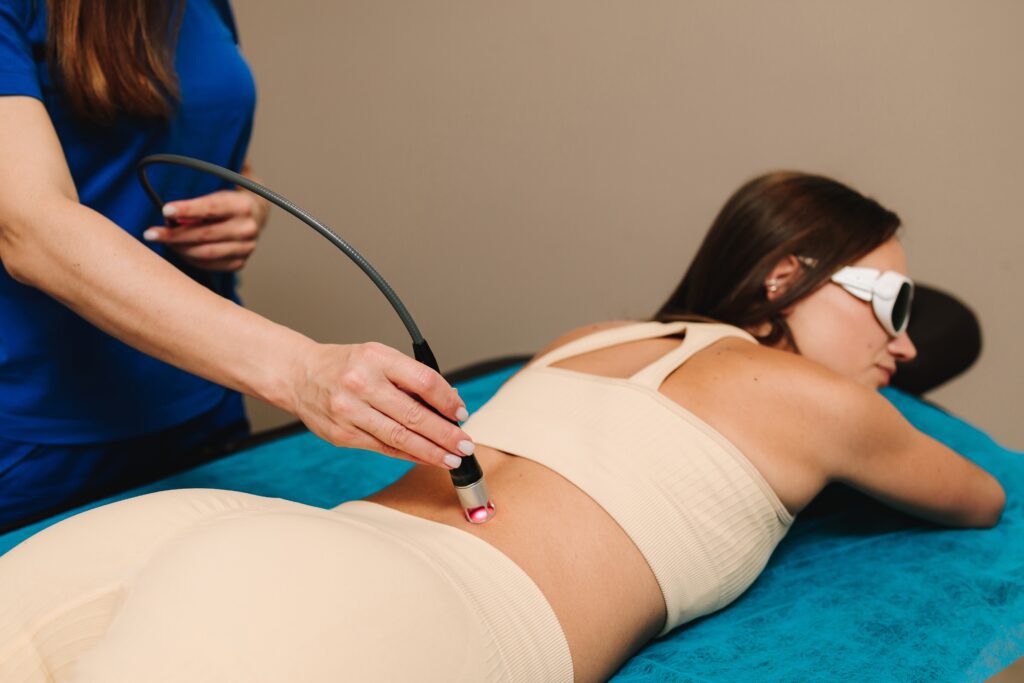
When you’re building a new dental practice, it’s crucial not just to adopt instruments, but to embrace technology that communicates a forward-thinking ethos to your patients. One such modality is low-level laser therapy (LLLT) presented as a treatment tool that can enhance your standard of care.
For example, Erchonia’s seminar “Lighting the Path to Innovation: Laser Therapy in Dental Science” outlines how laser technology may reduce localized inflammation, support tissue repair, and streamline healing timelines in a dental setting. An upcoming seminar, “Easing the Pain: Reducing Post-Operative Pain and TMD in Dentistry”, specifically links LLLT with post-operative comfort and management of temporomandibular disorders (TMD).
Benefits for Your Dental Practice
When integrated properly, LLLT can contribute to several practice-level advantages:
Enhanced Patient Comfort and Satisfaction
Procedures that include adjunctive laser sessions, such as post-surgical healing, periodontal therapy, or TMD management, may yield lower discomfort, fewer inflammatory symptoms and faster perceived recovery. Though LLLT is not a replacement for standard surgical or periodontal therapy, patients view the inclusion of advanced modalities as indicative of elevated care.
Differentiation in a Competitive Market
By offering laser-enhanced care, your practice can position itself as a modern, technology-driven clinic. Patients undergoing dental hygiene visits, surgery, or implants may see the laser as a “premium” offering.
Marketing and Revenue Potential
With proper staff training and documentation, LLLT sessions may become a value-added service, supporting patient retention and referral growth. As one educational webinar suggests, “laser applications to minimize pain, promote faster healing, and leverage the microbiome in dental care” can contribute to both clinical and business outcomes.
Infection Control, Safety, and Environmental Readiness
For a new dental practice, infection control is a key differentiator in patient confidence and operational efficiency.
Infection Control Tools and Systems
- HEPA air filtration and extra-oral suction units: Particularly important in aerosol-generating procedures; improves air quality and supports patient/staff safety.
- Touchless dispensers and automatic sterilization monitoring: Reduces protocol breaches and shows visible attention to safety.
- Digital sterilization logs and instrument-tracking software: Supports compliance and reduces human error.
- Eco-friendly waste and supply management: Many patients appreciate sustainable practices, this can become part of your brand.
Benefits for Your Dental Practice
- Improves patient trust and satisfaction (especially important for new patients evaluating your clinic).
- Reduces downtime, infection-related delays or cancellations.
- Prepares your practice for evolving health regulations and potential future pandemics.
Preventive Care and Patient Education Technologies
Since Dental Hygiene Month is all about prevention, it’s wise to integrate tools that support preventive care and patient education from day one.
Technologies that Support Prevention & Education
- Digital intraoral photography and scanning: Show patients their oral condition in real time; engage them in preventive plans.
- Chair-side monitors or tablets with educational modules: Visualizing plaque, gingival recession or early enamel changes helps drive behavioral change.
- Patient portals and mobile health apps: Allow patients to track their hygiene habits, receive automated reminders for cleanings, and engage with your practice between visits.
- Oral-health tracking tools: Some systems allow you to show progress over time (pre-treatment vs. post-treatment images), motivating patients and reinforcing your value.
Benefits for Your Dental Practice
When patients understand the “why” behind your recommendations, they are more likely to adhere to hygiene schedules, attend recall visits, and accept treatment plans, thus increasing lifetime value per patient and supporting predictable revenue.
Implementation Considerations
To integrate these tools and technologies into your dental practice in a way that is sustainable and meaningful:
- Train your team: Ensure clinicians and hygienists are trained in protocols, device handling, safety standards, and patient documentation. This reduces variation in outcomes and builds confidence.
- Select appropriate workflows: Rather than applying tools broadly to every patient, identify specific workflows (e.g., after implant placement, following root-planing, or for TMD adjunctive care).
- Document outcomes: Collect patient-reported comfort scores, healing timelines, and maybe before/after images to evaluate effectiveness and build internal data.
- Leverage in marketing: Feature the technology on your website, brochures and patient communications. “We offer laser-enhanced dental care” conveys a premium service level.
Growth, Scalability & Future-Readiness for Your Dental Office
A new practice doesn’t just need to open well, it needs to grow well. Your equipment and technology choices should reflect that.
Strategic Planning for Scalability
- Choose modular systems where possible (for example, imaging equipment that allows upgrades rather than complete replacement).
- Prioritize interoperability: e.g., your imaging, practice management software, and patient portal should communicate smoothly.
- Partner with vendors who offer training, support and ongoing updates. This helps your team stay current and the equipment remain useful longer.
- Stay informed about emerging technologies and consumer expectations. For example, the increasing role of artificial intelligence and tele-dental care.
Staying Competitive
By choosing technology early, you send a signal to referral partners and patients that your practice is modern and evolving. That attracts tech-savvy patients and differentiates you in a crowded market. Additionally, efficient workflows reduce overhead, freeing time for growth initiatives like marketing, patient communication, or expanded services.
Launching Your New Dental Practice with Confidence
Starting a dental practice is an exciting and complex endeavour. To succeed, your vision must be matched by strategic investments in dental equipment, patient-centric workflows, and forward-looking technologies like dental laser therapy. By doing so, you position yourself for excellence in clinical care, operational efficiency, patient experience, and long-term growth.
As you build out your new dental practice, commit to building a practice where the tools support your mission: improving oral health, delighting patients, and staying ahead of the curve.