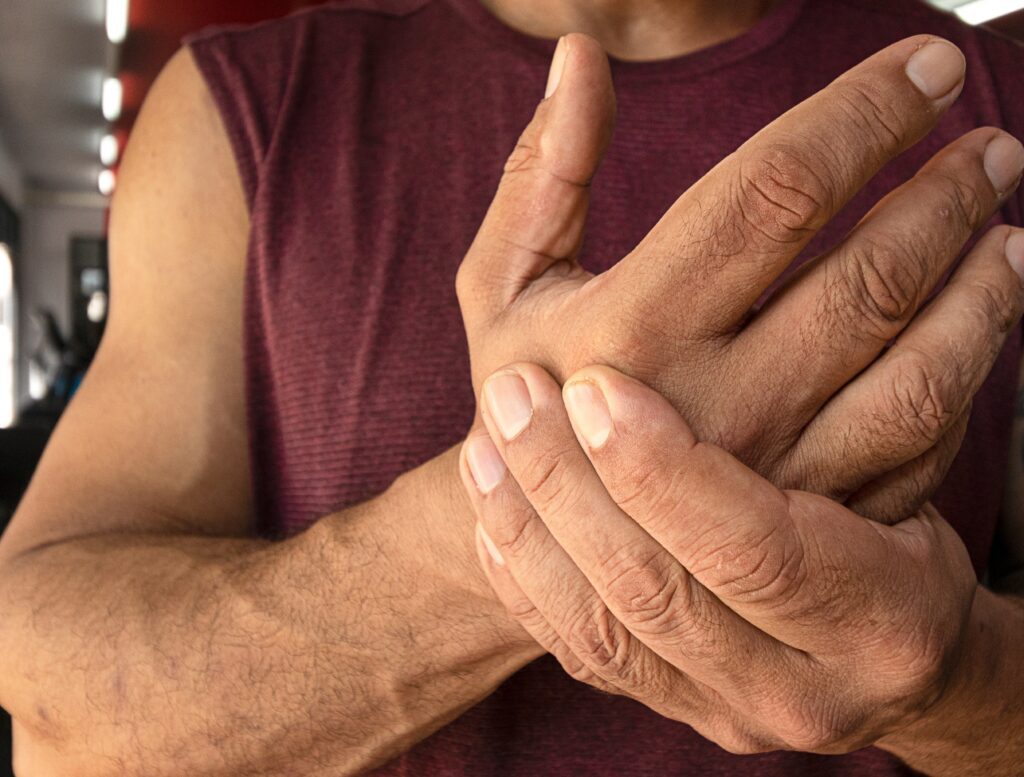
Pain, whether acute or chronic, affects many aspects of daily life. It can limit movement, disrupt sleep, and make work or everyday tasks more difficult. Many individuals seek non-invasive ways to manage pain, especially when they want to reduce reliance on medication or avoid invasive procedures.
Low-Level Laser Therapy, or LLLT, is often used as part of conservative pain management. It is non-invasive and can be integrated into comprehensive care plans. At the same time, clinicians recognize that pain relief is most effective when therapies like LLLT are paired with healthy lifestyle habits. Movement, hydration, and stress management all play a role in how the body responds to pain and recovers over time.
What Low-Level Laser Therapy Is and How It Supports Pain Management
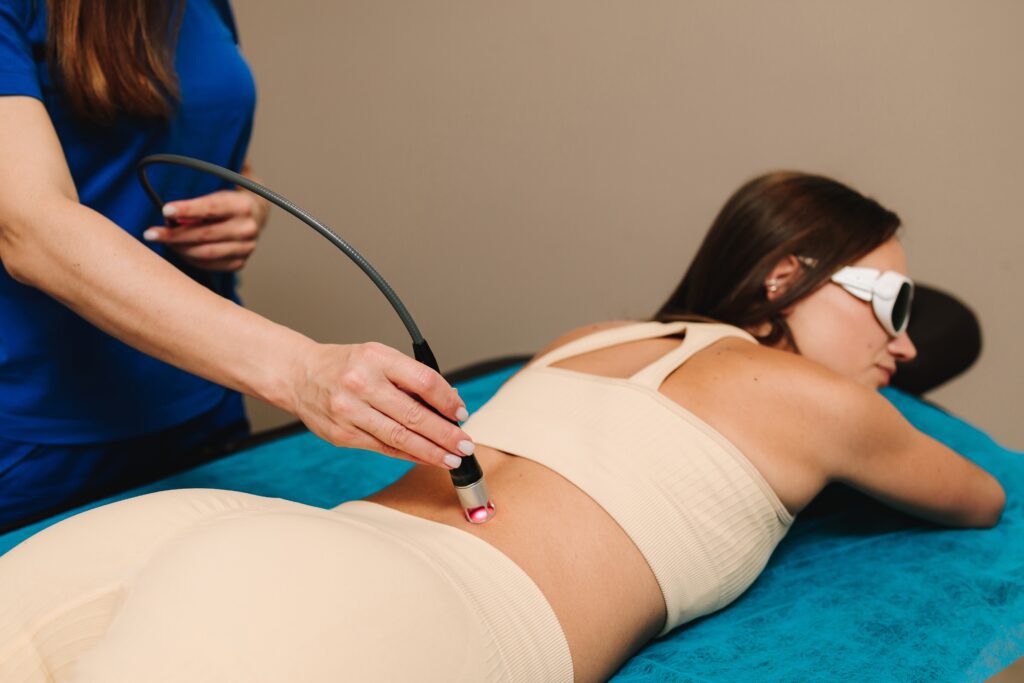
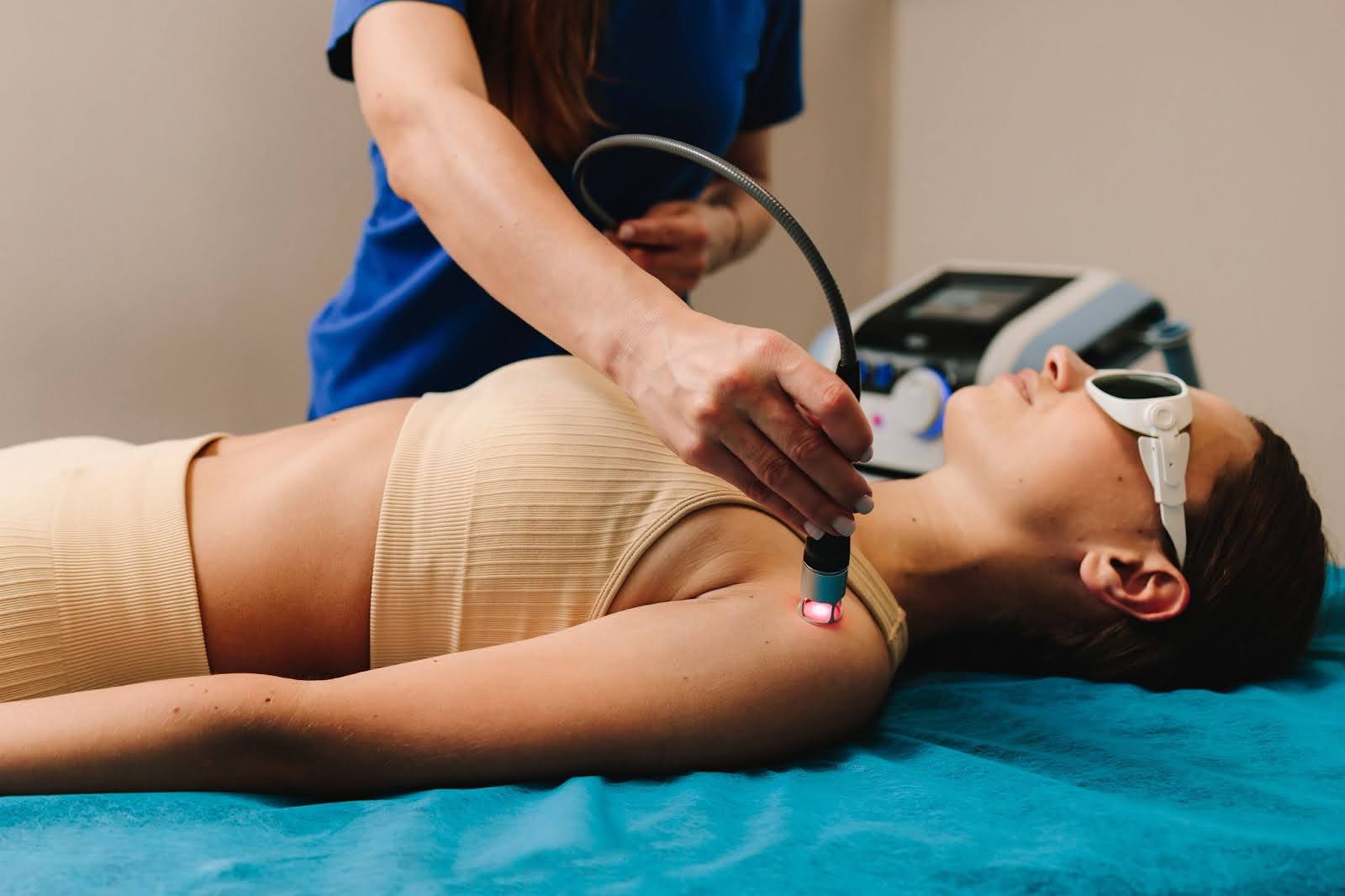
Low-Level Laser Therapy uses laser technology with specific wavelengths of light applied externally to targeted areas of the body. Unlike surgical lasers, LLLT does not cut, heat or damage tissue. Physicians use it as a supportive, non-pharmacologic option within conservative care.
At a cellular level, the light interacts with structures such as mitochondria, which may support cellular activity involved in tissue recovery and inflammation management. Because of this, LLLT is often paired with other treatments such as physical therapy, chiropractic care, or rehabilitation exercises. It is not a standalone solution, but a tool that enhances the body’s natural response to care.
How Movement Works with LLLT to Manage Pain
Movement is one of the most important factors in managing pain, but pain itself often makes movement difficult. Stiffness, soreness, or fear of worsening symptoms can cause people to avoid exercise. Over time, reduced movement can lead to muscle weakness, joint stiffness, and slower recovery.
When LLLT is used alongside guided movement or exercise, it may help reduce discomfort that limits activity. This can make it easier for individuals to stay consistent with physical therapy, stretching, walking, or other low-impact exercises recommended by a healthcare professional.
Movement supports circulation, joint mobility, and muscle function. When pain is more manageable, people are more likely to remain active, which is essential for both chronic pain management and recovery from acute injuries.
The Role of Hydration in Pain Relief and Recovery
Hydration is often overlooked in pain management, but it is critical for tissue health. Muscles, connective tissues, and joints rely on adequate hydration to remain flexible and resilient. Dehydration can contribute to stiffness, muscle tension, and delayed recovery after activity.
While maintaining optimal fluid levels alone does not treat pain, it supports the body’s ability to respond to therapies like LLLT and movement. Healthcare professionals encourage patients to maintain consistent fluid intake to support tissue function and reduce post-activity soreness.
Stress Management and Its Impact on Pain
Pain is influenced not only by physical factors but also by stress. High levels of stress can increase muscle tension, disrupt sleep, and increase sensitivity to pain. For many people, pain and stress reinforce each other, making symptoms feel more intense or persistent.
Stress management strategies such as deep breathing, relaxation techniques, gentle stretching, or mindfulness practices can help reduce tension and improve coping. When stress levels are lower, people often find it easier to stay consistent with movement and other aspects of their care plan.
LLLT addresses physical aspects of pain, while stress management supports the nervous system’s response. Together, they can contribute to more balanced and manageable pain relief.
Using LLLT and Lifestyle Changes for Chronic Pain
Chronic pain often requires long-term management rather than short-term treatment. Conditions such as arthritis, ongoing back pain, or repetitive strain injuries benefit from approaches that support comfort and function over time.
Combining LLLT with lifestyle habits allows clinicians to address pain from multiple angles. This often includes:
- Regular, guided movement suited to the individual
- Consistent hydration to support tissue health
- Stress management to reduce tension and pain sensitivity
Clinical research published in journals such as Osteoarthritis and Cartilage Open examined LLLT as part of multimodal pain care. While individual results vary, combining supportive therapies with lifestyle adjustments may help people stay engaged in care rather than withdrawing due to discomfort.
Supporting Recovery from Acute Pain with a Balanced Approach
Acute pain from injury, surgery, or sudden strain usually improves with time. However, how the body is supported during recovery can influence how quickly and comfortably healing occurs.
LLLT may be used as part of short-term care to support tissue recovery while individuals gradually return to movement. Pairing laser therapy with appropriate activity, hydration, and stress management can help create conditions that support recovery without overloading the body.
This approach emphasizes balance. Rest is essential, but prolonged inactivity can slow progress. Gentle movement, guided by a healthcare professional, often supports better outcomes.
Why Professional Guidance Matters
Lifestyle changes may seem simple, but how they are applied matters. Too much activity, poorly timed exercise, or unmanaged stress can worsen pain rather than help it. Even hydration needs can vary based on individual health conditions.
Healthcare professionals guide how LLLT and lifestyle changes work together. Physicians consider patient history, pain patterns, and functional goals when designing care plans. Coordinated strategies ensure that therapies complement each other and enhance both safety and effectiveness.
Setting Realistic Expectations for Non-Invasive Pain Relief
Non-invasive pain relief focuses on management, not instant results. LLLT does not replace medical evaluation, movement, or healthy habits, and it does not guarantee outcomes. Progress often occurs gradually and requires consistency.
Individual responses vary depending on the type of pain, overall health, and adherence to care plans. Understanding this helps reduce frustration and builds trust between patients and healthcare providers. Setbacks can occur, and they are a normal part of managing pain over time.
When combined with lifestyle changes, LLLT may help reduce pain and support continued participation in daily activities.
Building a Sustainable Pain Management Plan
Effective pain management often involves multiple strategies working together. LLLT supports tissue response and comfort. Movement maintains strength and mobility. Hydration supports tissue health. Stress management helps regulate pain perception.
When clinicians integrate these elements into a coordinated plan, individuals may find it easier to manage pain without relying solely on medication or invasive procedures. This balanced approach reflects the growing emphasis on conservative, patient-centered care.
For those exploring non-invasive pain relief, speaking with a qualified healthcare professional can help determine whether combining LLLT with lifestyle changes is appropriate. With guidance, realistic expectations, and consistency, supportive care strategies can play a meaningful role in managing both chronic and acute pain.
Frequently Asked Questions
Q1. What is low-level laser therapy used for?
Low-level laser therapy (LLLT) is used as a non-invasive option within conservative care to support pain management, tissue recovery, and inflammation control. It is often combined with other therapies rather than used alone.
Q2. Can lifestyle changes improve the effects of low-level laser therapy?
Yes. Movement, proper hydration, and stress management support how the body responds to therapies like LLLT. These habits can help individuals stay consistent with care and support overall recovery.
Q3. Is low-level laser therapy safe for chronic pain management?
LLLT is considered non-invasive and is commonly used under professional guidance as part of long-term pain management strategies. Individual suitability depends on medical history and should be evaluated by a healthcare professional.
Q4. Does low-level laser therapy replace exercise or physical therapy?
No. LLLT does not replace movement-based therapies. Instead, it is often used to support comfort so individuals can better participate in exercise, physical therapy, or rehabilitation programs.
Q5. How long does it take to see results from low-level laser therapy?
Results vary depending on the condition and individual response. Some people notice gradual improvements over time, especially when LLLT is combined with consistent lifestyle habits and professional care.