
Orthodontic treatment has evolved dramatically in recent decades. Digital imaging, advanced aligner systems, and computer-guided treatment planning have revolutionized how clinicians move teeth and manage patient comfort. Yet, one of the most exciting adjuncts to emerge in modern orthodontic care is low-level laser therapy (LLLT), also known as photobiomodulation.
While not a cure or replacement for standard procedures, LLLT can serve as a valuable aid during orthodontic treatment. By influencing cellular metabolism, reducing inflammation, and promoting tissue repair, this technology may help enhance treatment outcomes, reduce discomfort, and shorten total treatment time.
Understanding Low-Level Laser Therapy
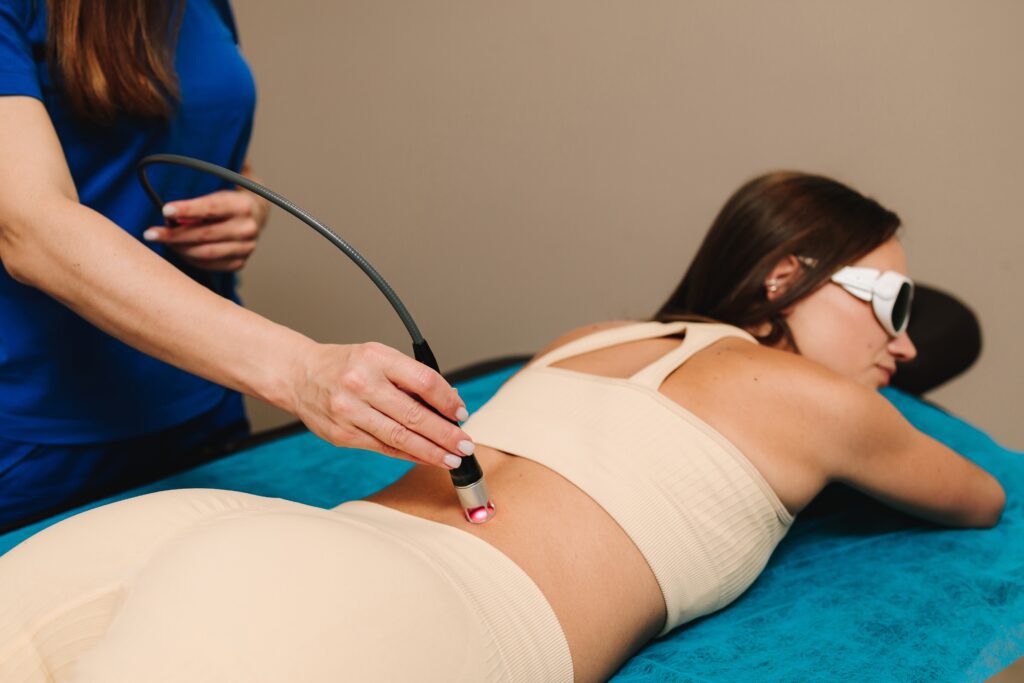
LLLT uses specific wavelengths of light to stimulate biological processes within cells. Unlike surgical or thermal lasers, it does not cut or heat tissue. Instead, photons from low-level lasers are absorbed by mitochondrial chromophores, triggering a cascade of cellular responses that promote healing and reduce oxidative stress.
Research indicates that LLLT may help:
- Stimulate fibroblast and osteoblast activity to support tissue regeneration
- Modulate inflammatory responses after orthodontic adjustments
- Improve local blood flow, enhancing nutrient delivery to tissues
- Support collagen formation and wound healing
These mechanisms make LLLT a compelling tool in dental and orthodontic settings, where tissue remodeling, pain management, and accelerated healing are vital to successful outcomes.
LLLT and Orthodontic Tooth Movement
Tooth movement during orthodontic treatment depends on bone remodeling, a balance between bone resorption (osteoclast activity) and formation (osteoblast activity). LLLT has been studied for its potential to enhance these biological processes safely.
Research suggests that low-level laser therapy can support this biological process by promoting the activity and differentiation of these key bone cells. Studies in both animals and humans have shown that laser exposure may:
- Stimulate signaling pathways such as the RANK/RANKL/OPG system, which regulates osteoclast formation and bone resorption
- Enhance collagen and fibronectin production within the periodontal ligament (PDL), strengthening the connective tissue framework that enables controlled tooth movement
- Boost macrophage-colony stimulating factor (M-CSF) levels, a protein that supports osteoclast development and function
- Increase osteoclast and osteoblast activity, helping accelerate the rate of bone turnover
Together, these cellular responses can improve the efficiency of tooth movement, potentially reducing overall treatment time when appropriate energy settings and clinical protocols are used. While outcomes depend on factors like wavelength, dosage, and individual biology, the growing body of evidence supports LLLT as a safe and effective adjunct that can aid the natural remodeling processes essential to orthodontic success.
Reducing Orthodontic Pain and Discomfort
Pain is one of the most common concerns for orthodontic patients, with 91% of orthodontic patients reporting pain during some point in treatment, particularly after initial bracket placement or wire activation. Traditional pain management options such as over-the-counter analgesics can offer relief, but may not address underlying inflammation. LLLT provides a non-invasive, drug-free adjunct that can help reduce discomfort through its anti-inflammatory and analgesic effects.
Studies suggest that LLLT can provide temporary relief from orthodontic pain, especially when applied immediately after appliance activation and delivered at proper dosages. Clinical trials have shown that laser light may:
- Reduce peak pain intensity and duration following the first archwire or separator placement, compared to placebo or no-laser groups
- Support nerve modulation, decreasing sensitivity around teeth and periodontal tissues
- Modulate inflammatory mediators such as prostaglandins and cytokines, which contribute to pain perception
- Diminish spontaneous and chewing pain after treatment
Together, this evidence suggests that LLLT can serve as a helpful adjunct for managing orthodontic discomfort, particularly when applied immediately after adjustments and within well-defined energy parameters. While individual responses vary, optimized use may lead to less pain, greater comfort, and improved patient satisfaction during orthodontic care. By improving patient comfort, clinicians may see higher compliance rates, fewer emergency visits, and more positive treatment experiences overall.
Enhancing Soft Tissue Healing and Periodontal Health
Orthodontic appliances can place mechanical stress on the gums and surrounding soft tissues. Brackets, wires, and aligners may cause localized irritation, minor inflammation, or slow healing after adjustments. Low-level laser therapy (LLLT) has been studied for its ability to aid soft tissue repair and support periodontal health during orthodontic treatment.
Research indicates that LLLT can stimulate key biological responses that promote healthier soft tissues. Controlled studies and reviews have shown that laser therapy may:
- Increase angiogenesis, improving oxygen and nutrient delivery to tissues
- Reduce inflammatory mediators in gingival tissues, helping minimize swelling and irritation around orthodontic appliances
- Support epithelial regeneration, maintaining a healthy mucosal barrier during treatment.
- Enhance periodontal healing following mechanical stress or minor trauma
These findings indicate that LLLT can serve as a non-invasive, supportive aid for managing soft tissue irritation and promoting gum health during orthodontic care. When applied using proper protocols and energy settings, laser therapy can help create a more comfortable environment, allowing patients to maintain better oral health throughout the course of their treatment. For orthodontists, these benefits can translate to fewer complications, improved oral health during treatment, and enhanced post-treatment stability.
Clinical Applications and Protocol Considerations
When integrating LLLT into orthodontic care, several key factors influence its success:
Wavelength and Dosage
Most dental studies utilize wavelengths between 600–1000 nm, commonly in the red to near-infrared spectrum. Correct energy density ensures sufficient cellular stimulation without overexposure.
Timing of Application
Laser therapy may be administered immediately after orthodontic activation and at follow-up appointments. Consistent application schedules can enhance pain reduction and tissue response.
Target Areas
Treatment may include both gingival tissues (for inflammation and comfort) and alveolar bone areas adjacent to moving teeth (for remodeling support).
Equipment and Training
Selecting a FDA-cleared LLLT device designed for dental use is essential for safety and efficacy. Clinicians should also complete manufacturer training to ensure proper dosage and technique.
Benefits for Orthodontic Providers
Integrating LLLT into orthodontic practice offers advantages that extend beyond patient comfort:
- Enhanced efficiency: Reduced discomfort and faster movement may shorten total treatment time
- Improved patient experience: Less pain leads to higher satisfaction and better compliance
- Reduced need for pharmacological intervention: Minimizes reliance on analgesics
- Practice differentiation: Offering innovative, evidence-based technology strengthens a clinic’s reputation
These outcomes can ultimately improve both clinical performance and patient retention.
Supporting Comfort and Success in Orthodontic Care
Low-level laser therapy represents a valuable addition to modern orthodontic tools. As a non-invasive, light-based aid, LLLT can help improve comfort, promote healing, and potentially accelerate tooth movement, all while supporting patient satisfaction and clinical success.
For orthodontists and dental professionals committed to advancing care, integrating evidence-based technologies like LLLT offers a pathway to improved outcomes and a more comfortable treatment experience for every patient.