
Routine dental cleanings play a pivotal role in preventive oral health. Regular visits help remove plaque and tartar, reduce the risk of gum disease, and allow dentists to identify problems early. While traditional cleanings remain effective, patient needs and expectations continue to evolve. Many patients now look for care that not only maintains oral health but also improves comfort and supports long-term gum health.
Low-Level Laser Therapy, commonly referred to as LLLT, is increasingly being explored in dental settings as a supportive, non-invasive technology. When used alongside routine cleanings, LLLT may help address inflammation, support gum tissue health, and enhance the overall patient experience without disrupting established preventive care workflows.
What Low-Level Laser Therapy Is in Dentistry
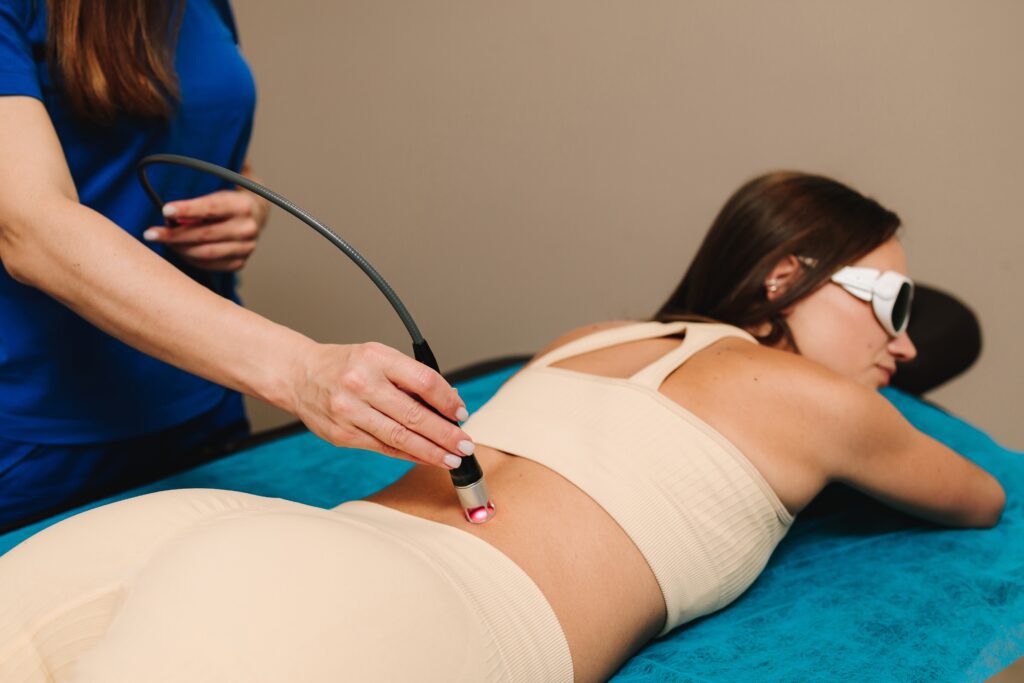
LLLT uses laser technology of varying wavelengths of light applied externally to targeted tissues. Unlike surgical or cutting lasers, LLLT does not remove tissue or generate heat that damages cells. In dentistry, clinicians use it as a non-invasive adjunct to aid tissue response and comfort.
At a cellular level, light interacts with structures such as mitochondria, where it may support cellular processes associated with tissue response and inflammation management. Because of this, dentists may incorporate LLLT into preventive or maintenance visits as part of a broader approach to oral health care.
LLLT is not a replacement for scaling, polishing, or other standard dental procedures. Instead, it is positioned as a supportive tool that complements existing preventive practices.
The Role of Inflammation in Gum Health
Inflammation plays a central role in many common oral health conditions. Inflammatory responses to bacterial plaque often cause gingivitis, periodontitis, and other gum-related issues. Even in patients who maintain good oral hygiene, mild inflammation can persist and contribute to discomfort, bleeding, or sensitivity.
Mild gum inflammation affects up to 90% of the United States population and is one of the main reasons preventive dental care remains important throughout life. Traditional cleanings remove the irritants that trigger inflammation, but supporting the tissue response afterward may further enhance outcomes. This is where LLLT may play a role when integrated thoughtfully into routine care.
Using LLLT During Routine Dental Cleanings
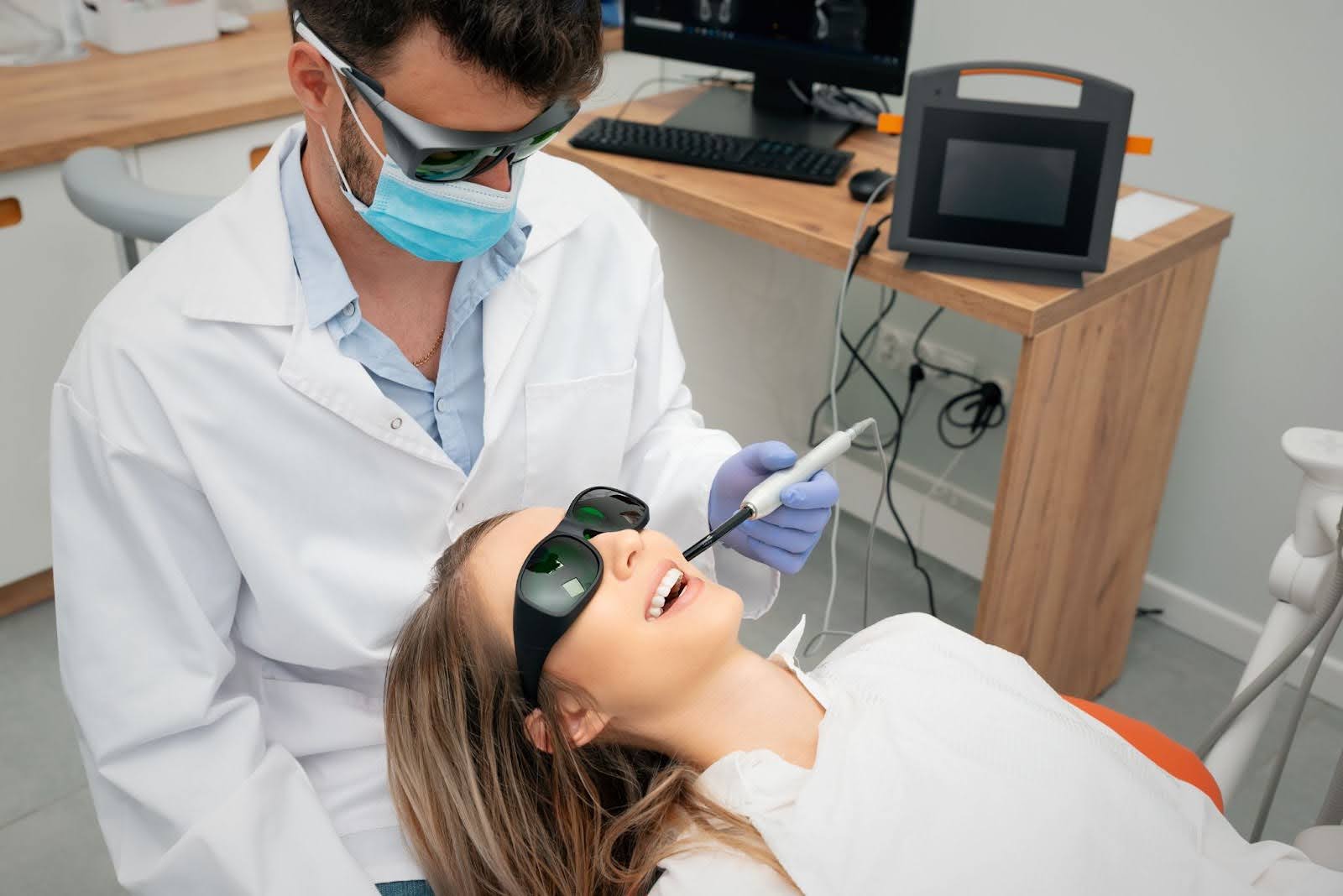
Dentists may apply LLLT during or immediately after a dental cleaning, depending on clinical goals and patient needs. The therapy is typically quick and non-invasive, making it suitable for incorporation into standard appointment times.
When used in this context, LLLT may help gum tissue response following scaling and polishing. By addressing localized inflammation and tissue irritation, it can complement mechanical plaque removal without adding significant time or discomfort to the visit.
Because the therapy is applied externally and does not require injections or incisions, most patients tolerate it well. Many report little to no sensation during application.
Supporting Gum Health Over Time
Long-term gum health depends on consistency. Regular cleanings, good home care, and early intervention all play a role in maintaining healthy gums. For patients with a history of gingival sensitivity, inflammation, or early periodontal concerns, adjunctive therapies can help reinforce preventive efforts.
Between visits, LLLT may help manage inflammation and encourage a more favorable tissue response, contributing to greater comfort as part of ongoing care. While individual responses vary, dentists may find that integrating laser therapy into maintenance schedules is associated with improved patient comfort and satisfaction.
This approach prioritizes long-term oral health instead of responding only when issues become more advanced.
Enhancing Patient Comfort During Preventive Care
Patient comfort is an important aspect of dental care. Anxiety, sensitivity, and discomfort can discourage patients from attending regular appointments, even when they understand the importance of preventive visits.
By supporting tissue comfort and reducing post-cleaning irritation, LLLT may help improve the patient experience. When patients feel more comfortable during and after their appointments, they may be more likely to return for regular care and follow professional recommendations.
This emphasis on comfort does not replace clinical effectiveness. Instead, it supports adherence to preventive care schedules, which is essential for long-term oral health.
LLLT as Part of a Conservative Dental Care Approach
Dentistry has increasingly embraced conservative, minimally invasive strategies where appropriate. Preventive care, early intervention, and patient education remain central to this approach.
LLLT fits naturally within this framework. It does not replace traditional dental procedures or oral hygiene practices, and it does not promise outcomes beyond its adjunctive role. Instead, it serves as an additional option for dentists to enhance care while maintaining evidence-based standards.
When used responsibly and guided by clinical judgment, LLLT supports a comprehensive approach to oral health that prioritizes patient safety and comfort.
Training and Clinical Judgment Matter
As with any dental technology, appropriate training and clinical judgment are essential. Dentists must understand when and how to apply LLLT, as well as which patients are most likely to benefit from it.
Not every patient or situation requires laser therapy. Dentists evaluate factors such as gum health, sensitivity, inflammation, and overall oral condition before deciding whether to incorporate LLLT into a cleaning visit. Clear communication with patients about the purpose and expected role of laser therapy helps set realistic expectations and builds trust.
Setting Realistic Expectations for Patients
LLLT is not a cure for gum disease, nor does it replace daily oral hygiene or professional cleanings. Its role in dental care is supportive. Results vary based on individual health, oral hygiene habits, and consistency of care.
By setting realistic expectations, dentists help patients understand that LLLT works best as part of a broader preventive strategy. This clarity reduces confusion and reinforces the importance of regular dental visits and at-home care.
Elevating Preventive Dental Care with LLLT
Integrating Low-Level Laser Therapy into routine dental cleanings offers dentists an opportunity to enhance preventive care without adding invasiveness or complexity. By helping manage inflammation, encouraging a healthy tissue response, and improving patient comfort, LLLT can practically complement traditional cleaning procedures.
For dental practices focused on prevention, patient experience, and conservative care, LLLT represents a tool that aligns with modern expectations while respecting established clinical standards. When applied thoughtfully and guided by professional judgment, it may help elevate routine cleanings into a more comprehensive preventive experience.
Patients interested in learning more about laser-assisted dental care should speak with their dentist to determine whether LLLT is appropriate for their individual needs. Through collaboration and clear communication, preventive dental care can continue to evolve to support long-term oral health and patient comfort.
Frequently Asked Questions
Q1. What is low-level laser therapy used for in dentistry?
Low-level laser therapy (LLLT) is used in dentistry as a non-invasive adjunct to support tissue response, manage inflammation, and improve comfort during preventive and maintenance care.
Q2. Can low-level laser therapy be used during routine dental cleanings?
Yes. Dentists may apply LLLT during or immediately after routine dental cleanings to support gum tissue response and comfort without disrupting standard preventive workflows.
Q3. Is low-level laser therapy safe for gum health?
LLLT is considered non-invasive and is commonly used under professional guidance in dental settings. Individual suitability depends on oral health conditions and clinical judgment.
Q4. Does low-level laser therapy replace scaling or polishing?
No. LLLT does not replace scaling, polishing, or other standard dental procedures. It is used as a supportive tool alongside traditional preventive care.
Q5. Does low-level laser therapy help with gum inflammation?
LLLT may help support tissue response and manage localized inflammation when used as part of a broader preventive dental care plan.